New home sales fell 12.2% month-over-month in November in the largest decline since April 2022. There were at a seasonally adjusted annual rate of 590,000 units (consensus 689,000) from a downwardly revised 672,000 (from 679,000) in October. On a year-over-year basis, new home sales were up 1.4%. New home sales activity fell hard paced by the South, largest region for new home sales where prices are generally more affordable. The weakness stems somewhat from supply constraints for lower-priced homes and affordability constraints from high mortgage rates and high prices relative to median prices for existing homes.

It has been pattern of new home sales activity slumping despite a big drop in median and average selling prices. The latter had to do with a large decline in sales in the high-priced West region. What is clear is inflation and high mortgage rates and generally high home prices continue to limit affordability for prospective buyers.
US new home sales for November 2023
- New home sales decreased 12.2% month-over-month in November to a seasonally adjusted annual rate of 590,000 units (consensus 689,000) from a downwardly revised 672,000 (from 679,000) in October. Largest decline since April 2022
- On a year-over-year basis, new home sales were up 1.4%.
- New homes for sale at the end of November 0.451 million units v October 0.440 million units
- New home sale supply 9.2 months v 7.9 months in October. That is the highest level since November 2022 (9.4 months)
- Median sales price $434,700 which is down -6% from November 2022 ($462,300)
- Average sales price $488,900 vs $487,000 last mont

New home sales month-over-month by region:
- Northeast +3.1%
- Midwest +25.0%
- South -20.9%
- West -5.1%
Note new home sales in the West has the highest concentration of higher-priced homes. The report reflects how rising mortgage rates are impeding sales of higher-priced homes, evidenced by the year-over-year declines in both median and average selling prices.
The report confirms the effect of rates and new home sales remain concentrated in higher-priced homes, as inflation pressures, pushed by supply constraints and labor shortages, are curtailing the building of lower-priced homes and pinching affordability for lower-income buyers.
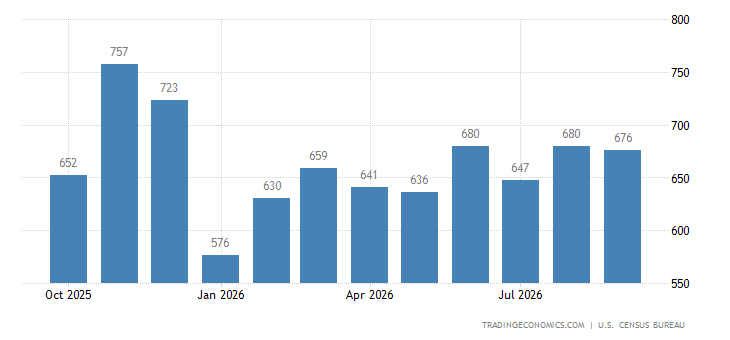
Existing home sales account for 90% of US transactions and are calculated on a contract close basis. New home sales account for the remaining 10% and are based on contract signings.
The big question is after the surge in rates and slash in rates how much damage has been done with the massive wealth erosion.
Source: Census.gov
From The TradersCommunity News Desk